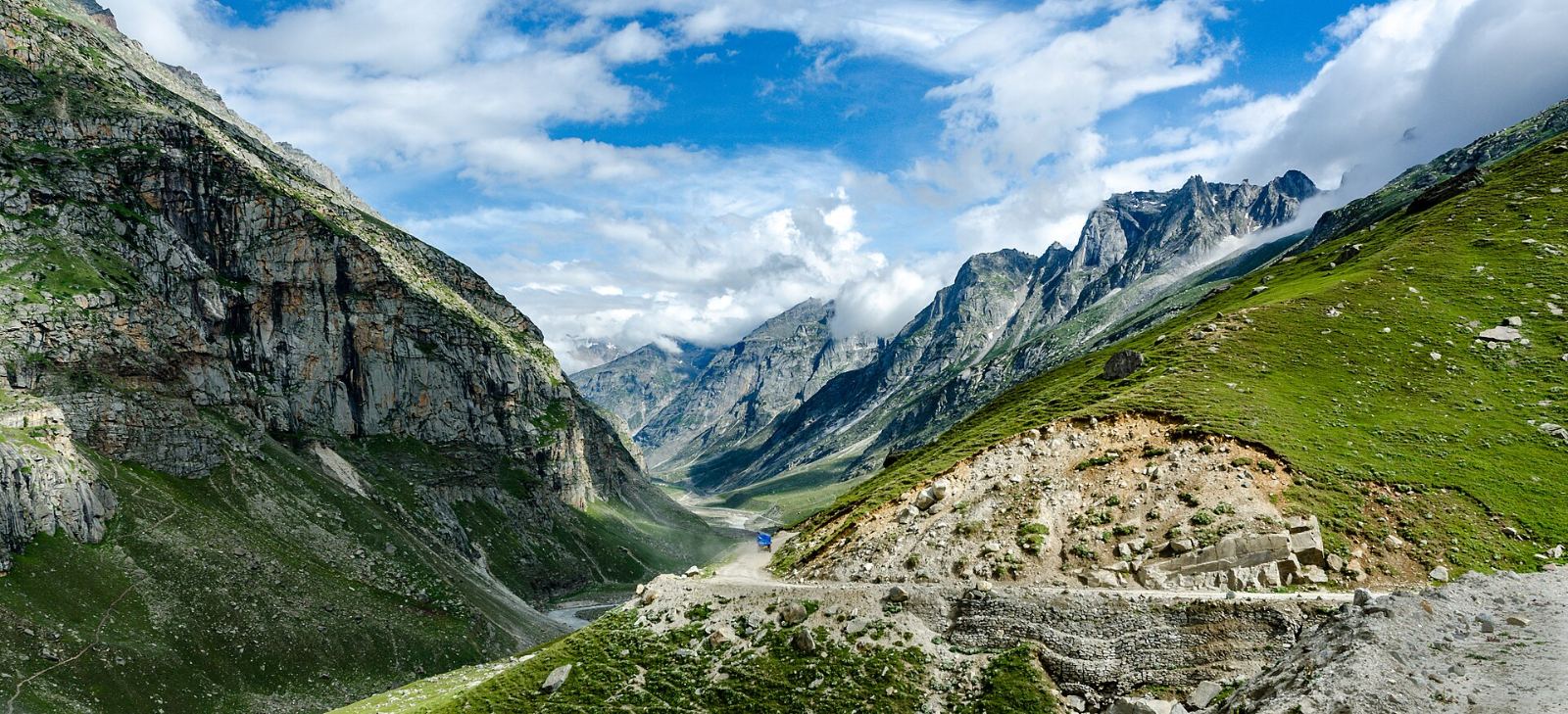
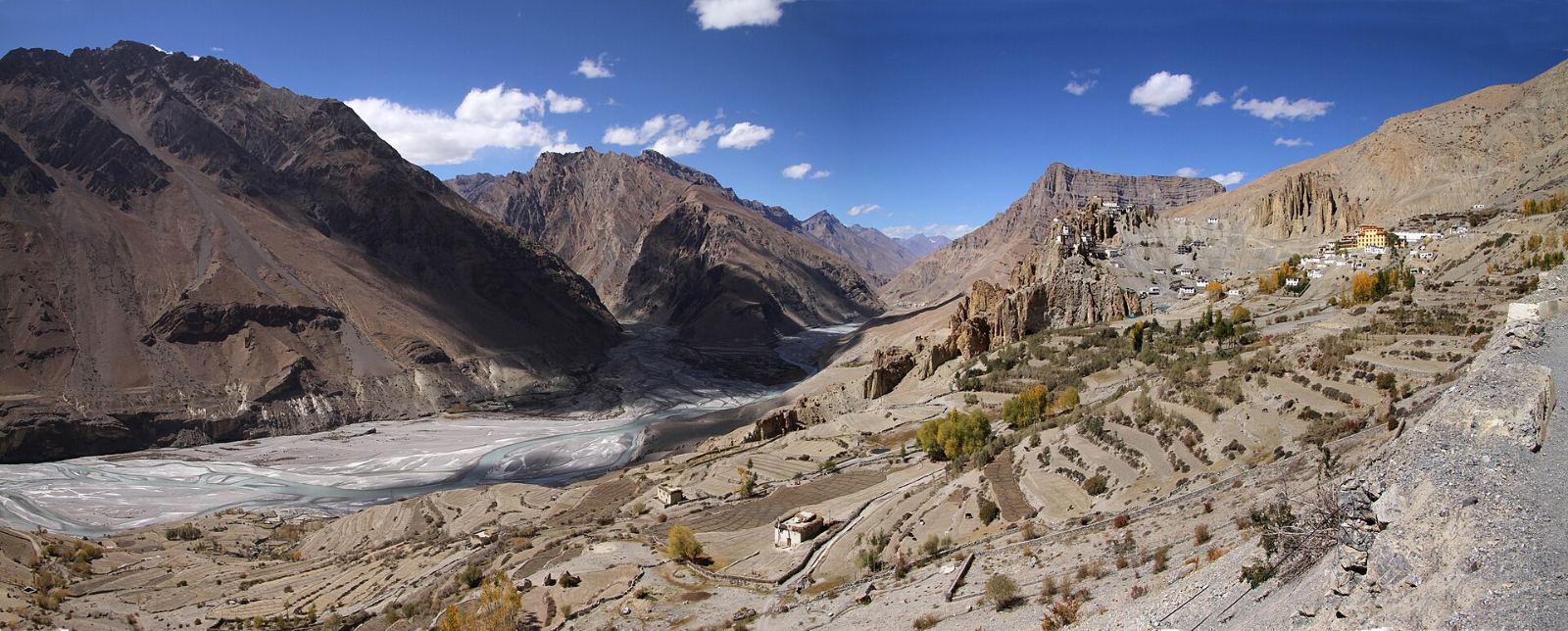
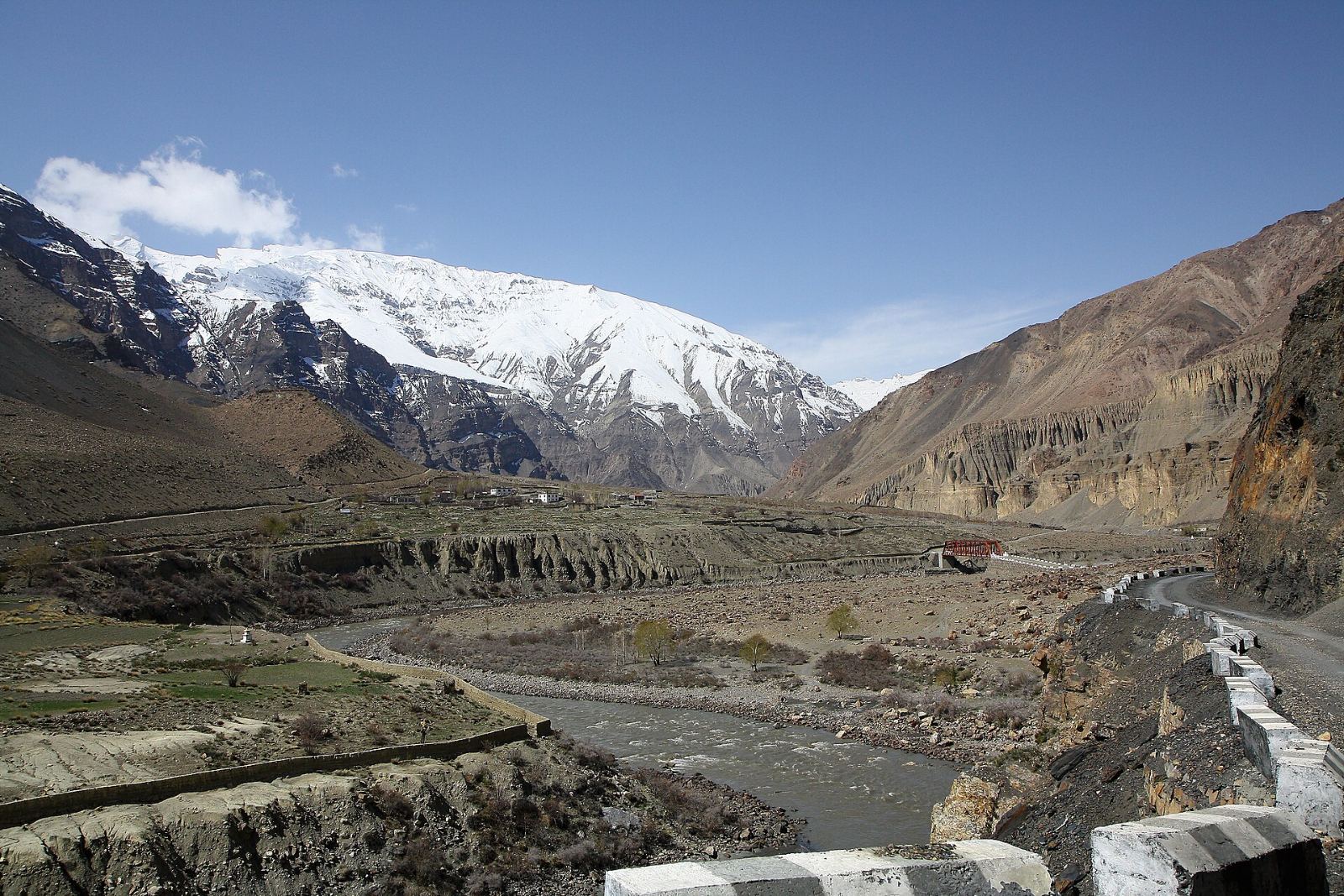
Spiti valley mountains
Spiti valley mountains — Photo: Sudhanshu Gupta · CC BY-SA 4.0 · Wikimedia Commons
Home/The Odyssey

The expedition story

A year that
starts at altitude.

Not a holiday from your life — a different opening chapter for it. Here is the thinking behind eight days on the road to Spiti.

Manifesto

Begin the year where the world feels different.

Most of us start a year the same way we end one: at a desk, behind a screen, inside the same few kilometres. The Spiti Odyssey is a deliberate interruption to that. It trades the familiar for an eight-day road journey into one of the highest inhabited valleys in India.

The plan is simple. Leave Delhi. Climb through the Shimla hills to Kufri. Follow the Sutlej into Kinnaur and wake up in Kalpa facing a wall of snow peaks. Cross into Spiti by way of Nako and Tabo. Spend three nights in Kaza exploring monasteries and villages above 4,000 metres. Then descend to Rampur and come home.

What happens in between is harder to put on a brochure: the conversation in the car when the gorge opens up, the cold that makes a cup of tea the best thing you have ever held, the silence at Key Monastery, the realisation that your phone has had no signal for hours and you have not noticed.

We will not promise you a life-changing experience; that would be presumptuous. We will promise mountains, roads, monasteries, good company and a beginning to the year that does not look like any other.

On the road into Spiti
On the road into Spiti — Photo: Carlos Adampol Galindo · CC BY-SA 2.0 · Wikimedia Commons
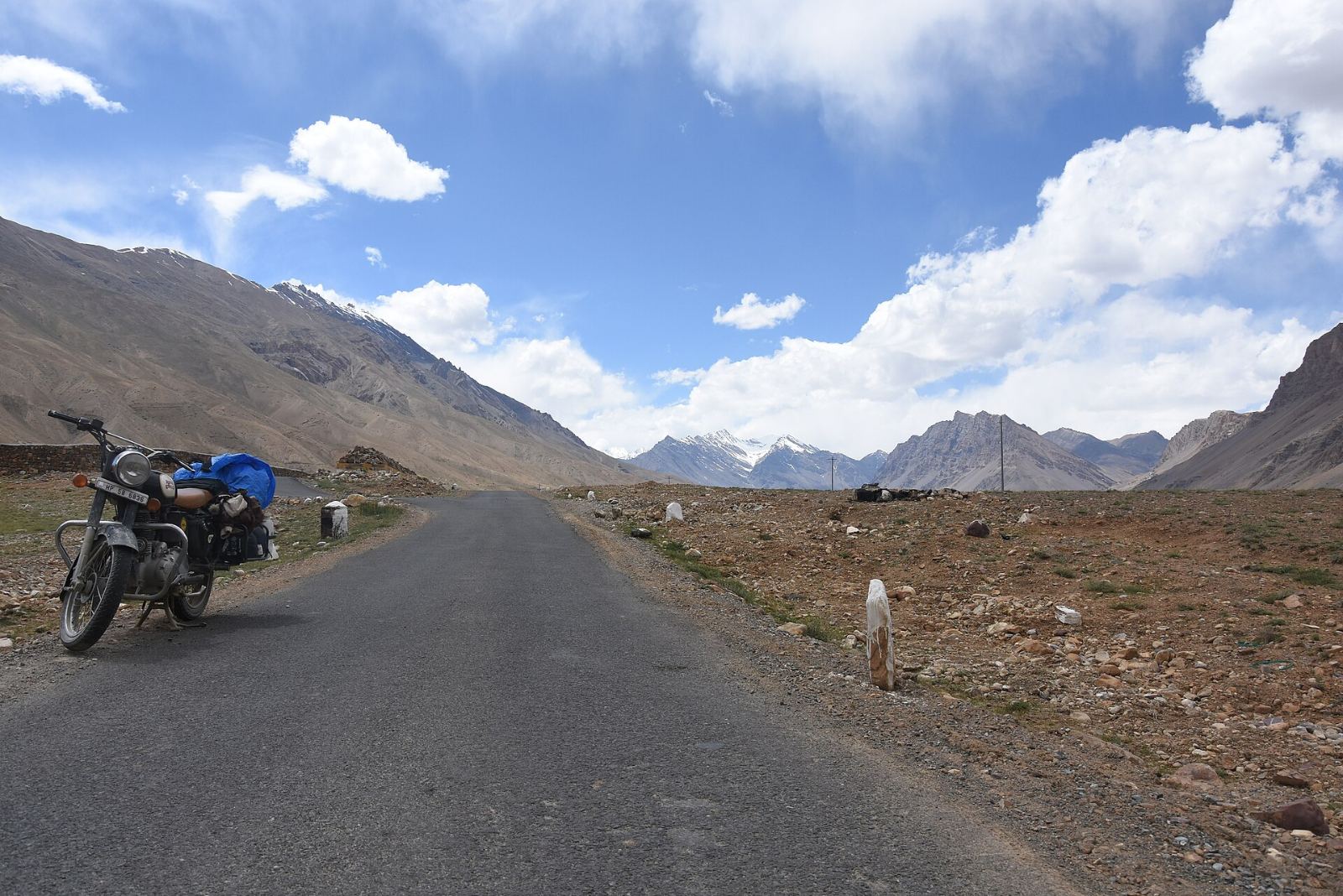
Open road through the Spiti valley
Open road through the Spiti valley — Photo: FOCUSUPAKHIL · CC BY-SA 4.0 · Wikimedia Commons
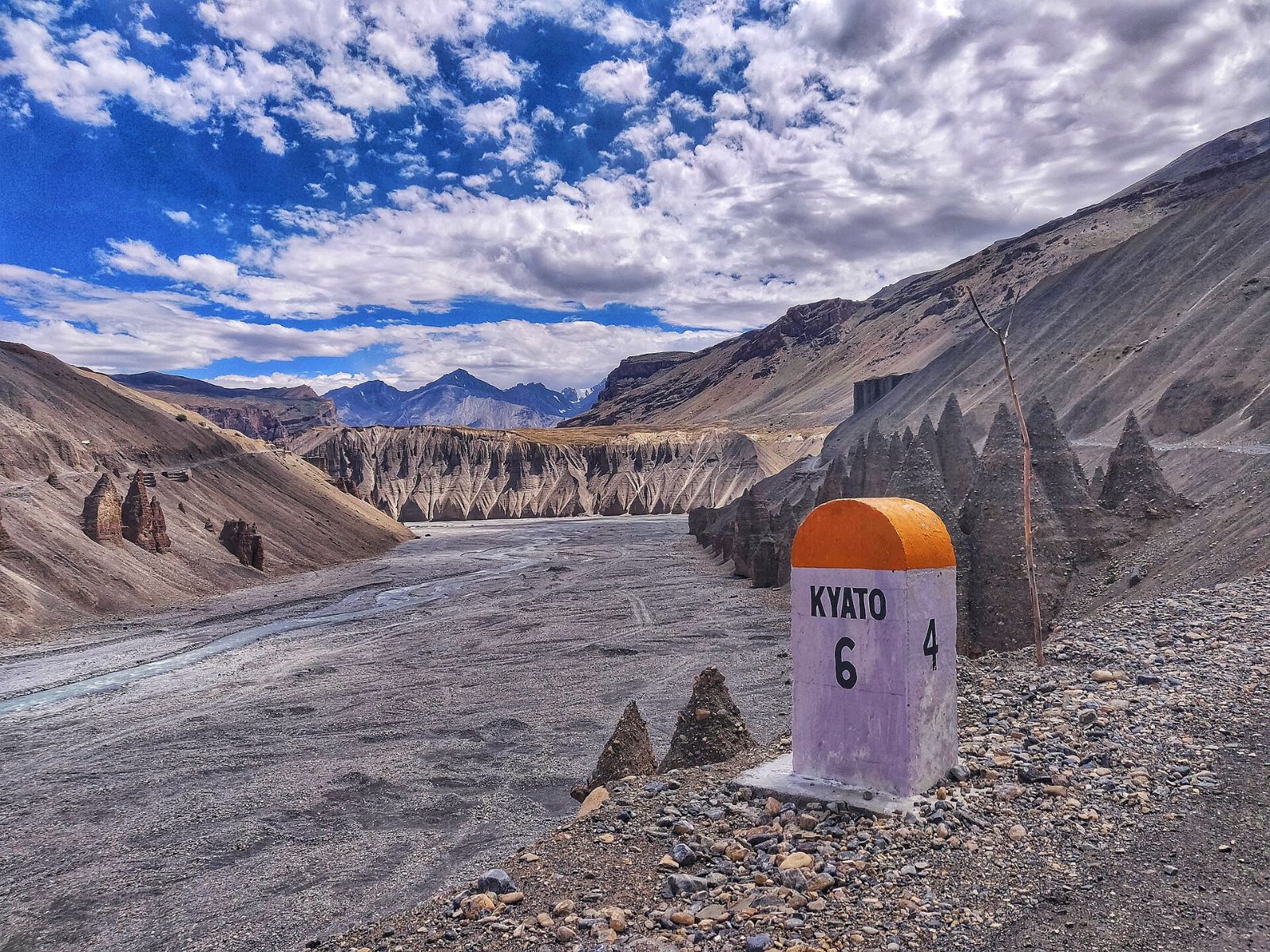
Cold-desert mountains, Spiti
Cold-desert mountains, Spiti — Photo: Rollinghopes · CC BY-SA 4.0 · Wikimedia Commons
The Spiti valley from Dhankar
The Spiti valley from Dhankar. Dhankar sits above the valley road between Tabo and Kaza; a stop there is not confirmed. — Photo: Gerd Eichmann · CC BY-SA 4.0 · Wikimedia Commons
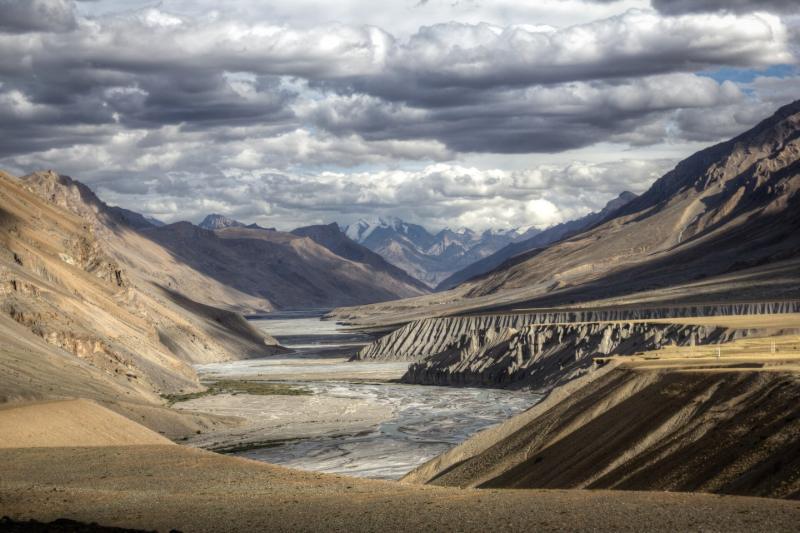
The Spiti river and valley
The Spiti river and valley — Photo: Rupak Sarkar · CC BY-SA 4.0 · Wikimedia Commons

I · The decision

Somebody has to say yes first.

Every journey like this begins with a small, slightly unreasonable decision: to spend the first weeks of a year somewhere with no reliable signal, real cold and roads that do not care about your calendar. The Spiti Odyssey is built for the people who say yes to that.

II · The road

The journey is the destination, literally.

Over eight days the road does most of the storytelling. It climbs from the plains to pine country, follows the Sutlej into a gorge, threads along cliffs in Kinnaur and finally opens into the wide, bare valleys of Spiti. Nobody flies in halfway. You feel every metre of altitude arrive.

III · The cold desert

Where the colour goes quiet.

Spiti sits in the rain shadow of the Great Himalaya. Very little falls here, so the mountains are bare: ochre, grey and violet, eroded into towers and fans. In winter that palette is overlaid with snow and a sky so blue it looks retouched.

IV · The people

Villages that should not be possible.

Whitewashed houses with flat roofs, stacks of firewood, monasteries clinging to ridges. People have farmed these valleys for centuries at altitudes where most visitors get out of breath climbing stairs. Travelling through them in the off-season means seeing daily life, not a performance of it.

V · The return

You come back down a different person. Slightly.

The descent to Rampur and then Delhi plays the whole landscape in reverse. By the time the plains return, the year is no longer new — but it has started with something worth remembering, which is more than most years can say.

The road does most of the storytelling. You feel every metre of altitude arrive.

A half-frozen river catching low sun, banks of snow and bare trees on either side
A river road at first thaw — Supplied image
A straight empty road with a yellow centre line running towards sunlit rocky peaks
An empty road into the mountains — Supplied image

What the journey gives

Six things you bring home.

  • A different horizon

    From the flat plains to a wall of 6,000-metre peaks across the gorge at Kalpa.

  • Old, living places

    Tabo’s thousand-year-old halls and Key’s stacked monastery, still home to monks.

  • Life above 4,000 m

    Villages that farm, trade and post letters at altitudes most visitors only fly over.

  • The group

    Long road days and cold nights turn a group of travellers into the people you started the year with.

  • The light

    Hard, clear winter light by day and, when the cold allows, a sky full of stars.

  • A first chapter

    A New Year that begins with a journey, not a resolution.

Who it suits

Built for curious, reasonably hardy people.

Road-trip peopleThere are long hours in the vehicle. If you enjoy watching landscapes change, that is a feature.
Cold-tolerantLate December in Spiti is deep winter. Warm layers matter more than outfits.
Altitude-awareKaza is around 3,800 m. Anyone with heart, lung or blood-pressure conditions should talk to a doctor before booking.
FlexibleSnow and roads decide what is possible on the day. Patience is part of the kit list.

This is general guidance, not medical advice. Specific fitness, age or health requirements for this departure have not yet been confirmed by the operator.

The climb, at a glance

0 m1,000 m2,000 m3,000 m4,000 mDelhi~215 mKufri~2,700 mKalpa~2,960 mNako~3,600 mTabo~3,280 mKaza~3,800 mKey~4,100 mLangza~4,400 mRampur~1,000 mDelhi~215 mDAY 01DAY 02DAY 03DAY 04DAY 05DAY 06DAY 07DAY 08

Approximate altitudes by day of travel. Not survey data.

Now read it day by day.

WhatsApp us
Book · ₹1,60,000–₹2,30,000 pp