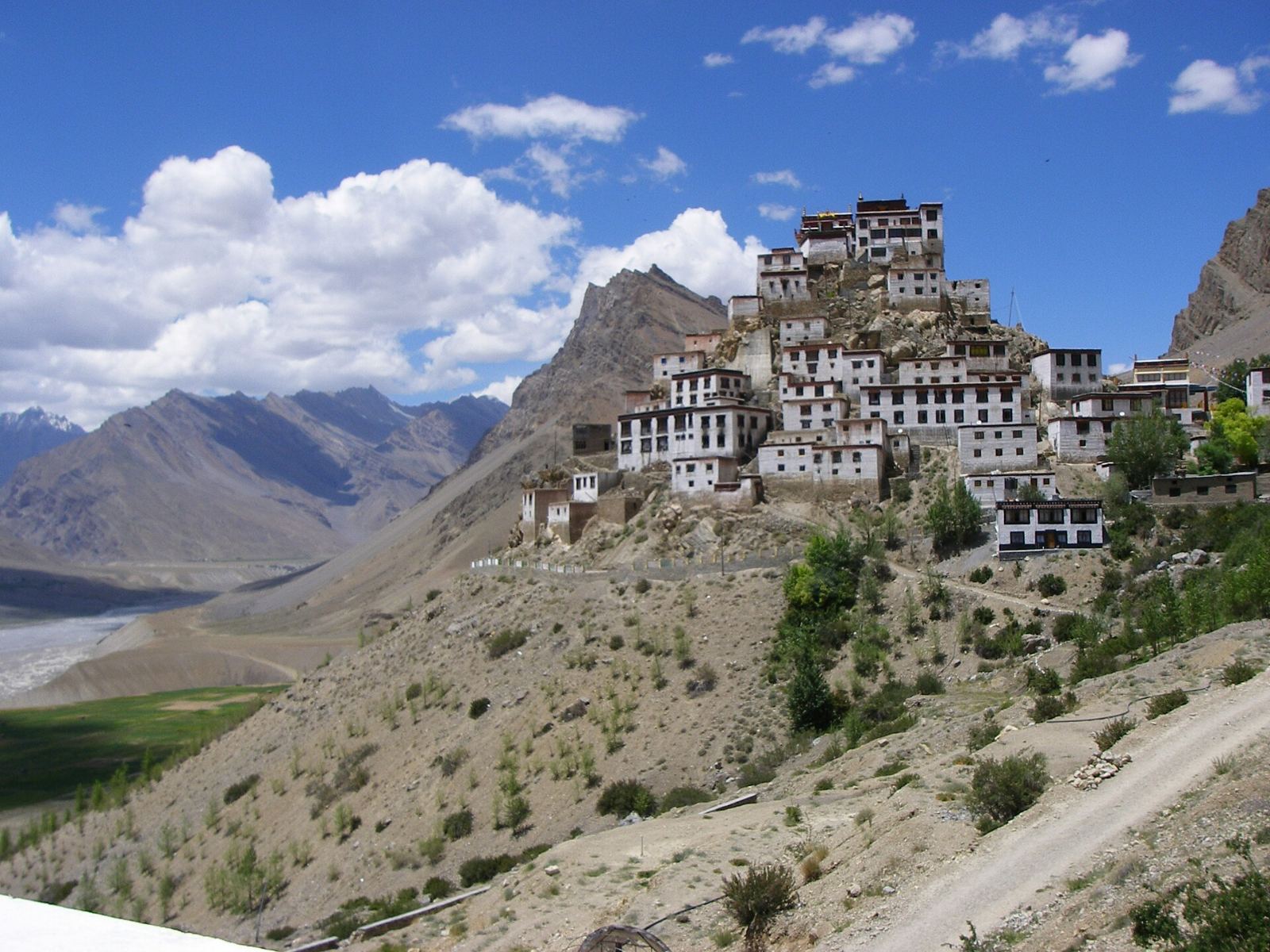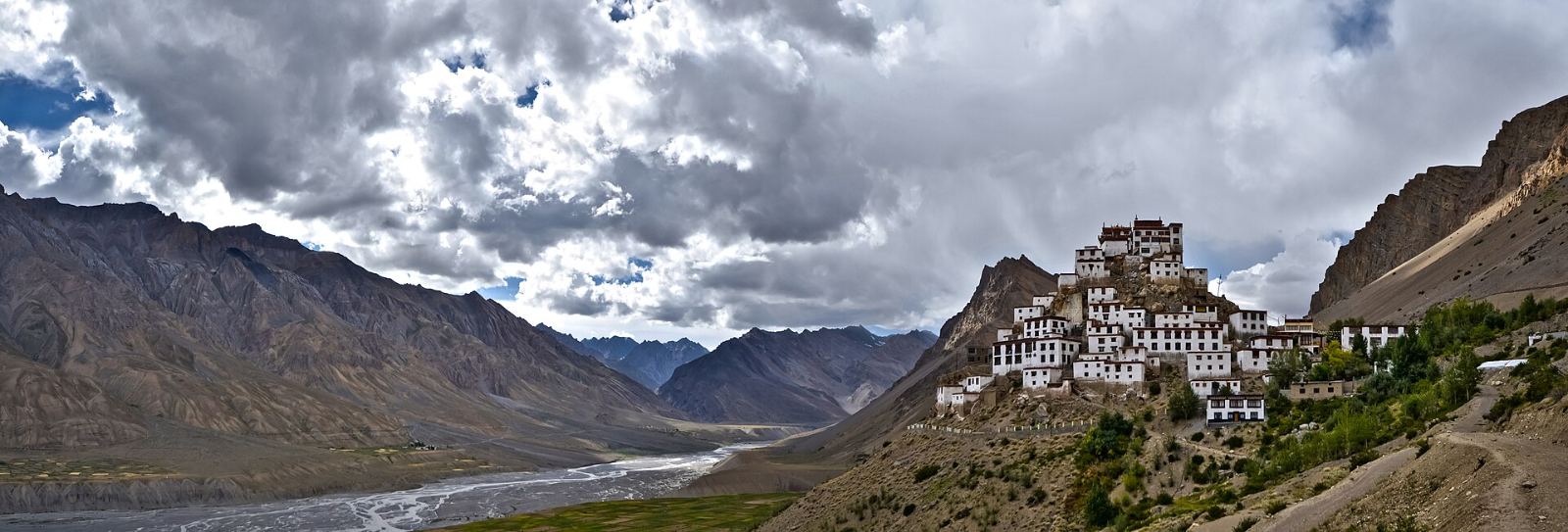
Key Monastery and the Spiti valley, panorama
Key Monastery and the Spiti valley, panorama — Photo: TheWanderer7562 · CC BY-SA 3.0 · Wikimedia Commons
Home/Itinerary

Eight days,
one road.

From the plains of Delhi to villages above 4,000 metres and back again. Each day below has its own chapter: where you go, where you sleep, and what the road might do.

Duration8 days / 7 nights
Event starts27 December 2026
Trip price · per person₹1,60,000–₹2,30,000
No. 00The whole journey on one line

Eight days, one continuous road.

Select a day to jump to its chapter. The line underneath traces the approximate altitude of each day — two steps up through Kufri and Kalpa, three nights high in Spiti, then one long descent.

  1. 01Delhiabout 215 m
  2. 02Kufriabout 2,700 m
  3. 03Kalpaabout 2,960 m
  4. 04Kazaabout 3,800 m at Kaza
  5. 05Kaza (local)Key Monastery about 4,100 m
  6. 06Kaza (local)villages above 4,000 m
  7. 07Rampurabout 1,000 m
  8. 08Delhiback to the plains
0 m1,000 m2,000 m3,000 m4,000 mDelhi~215 mKufri~2,700 mKalpa~2,960 mNako~3,600 mTabo~3,280 mKaza~3,800 mKey~4,100 mLangza~4,400 mRampur~1,000 mDelhi~215 mDAY 01DAY 02DAY 03DAY 04DAY 05DAY 06DAY 07DAY 08

Read this first

The route structure comes from the expedition brochure. Exact driving times, distances, meal schedules and access to high villages are deliberately not stated: in winter they depend on snow, road clearance and weather on the day, and the operator will confirm them before departure.

Route note — Chandigarh. The latest stay list includes the JW Marriott in Chandigarh, but the brochure’s eight-day route runs Rampur → Delhi on the final day with no Chandigarh night. No day has been added or removed here. Where Chandigarh fits will be updated once the operator confirms it. See the stay.
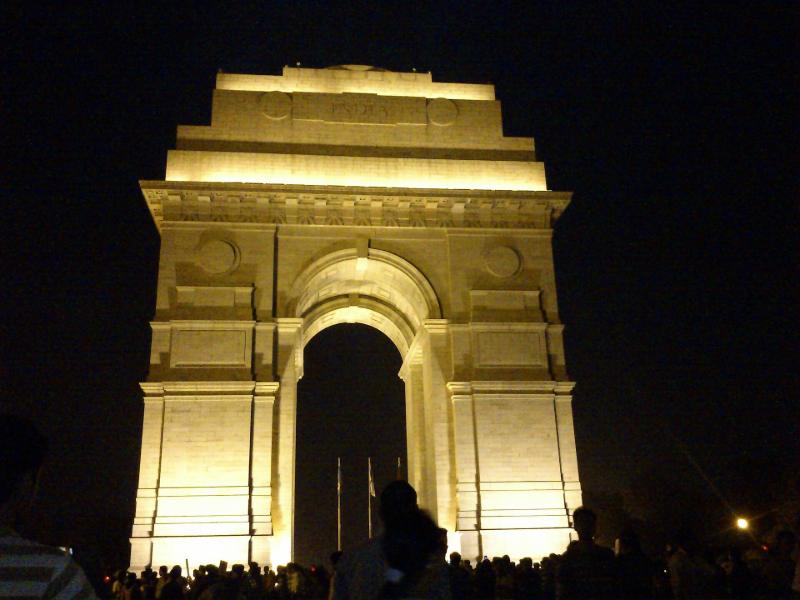
India Gate at night, New Delhi
India Gate at night, New Delhi — Photo: AmitBeniwal · CC BY-SA 3.0 · Wikimedia Commons

Delhi

Day 01Day

Delhi — the starting line

  • Arrival in Delhi
  • Group meet

Before the mountains, the meeting.

The odyssey begins where most journeys north do: in Delhi, among the noise you are about to trade for silence. Day one is deliberately light. Travellers arrive, the group meets, bags are checked against the cold that is coming, and everyone gets an early night.

It is worth treating this evening as part of the trip rather than a formality. The people you meet tonight are the people you will watch the sun rise over Kinnaur Kailash with in two days’ time.

The red sandstone and marble dome of Humayun’s Tomb in Delhi framed by trees
Humayun’s Tomb, Delhi — Supplied image

Delhi → Kufri

Day 02Day

Delhi to Kufri — out of the plains

The road to Kufri, Shimla district
The road to Kufri, Shimla district — Photo: Rajudbg · CC BY-SA 4.0 · Wikimedia Commons
  • The climb into the Shimla hills
  • Kufri

The plains end somewhere after breakfast.

The first real road day climbs out of the Gangetic plain and into the Shimla hills. Somewhere along the way the air sharpens, the trees turn to deodar and pine, and the horizon starts to fill with ridges instead of buildings.

Kufri, above Shimla at roughly 2,700 metres, is the first night in the mountains. In winter, snow on the slopes around it is common — which is beautiful, and also the first reminder that the mountains set the schedule from here on.

Morning on Kinner Kailash
Morning on Kinner Kailash — Photo: Narender Sharma, Blue Particle Solutions · CC BY-SA 4.0 · Wikimedia Commons

Kufri → Kalpa

Day 03Day

Kufri to Kalpa — into Kinnaur

  • The Sutlej valley
  • Hindustan–Tibet road
  • Kalpa

Into Kinnaur, along the Sutlej.

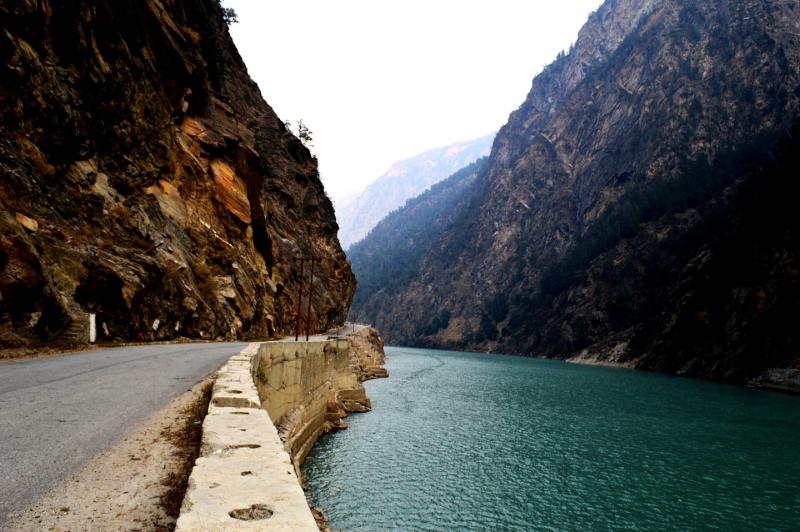
Today the road drops to meet the Sutlej and follows it east into Kinnaur on the old Hindustan–Tibet road. The valley narrows into a gorge; the road is carved into the rock face above the water, and every bend opens a new wall of mountain.

Kalpa, at around 2,960 metres, is the reward. It sits on a sloping shelf directly opposite the Kinnaur Kailash range, close enough that the summits fill the window. If there is a single sunrise to wake up for on this journey, it is tomorrow’s.

Kalpa → Kaza

Day 04Day

Kalpa toward Kaza — Nako and Tabo

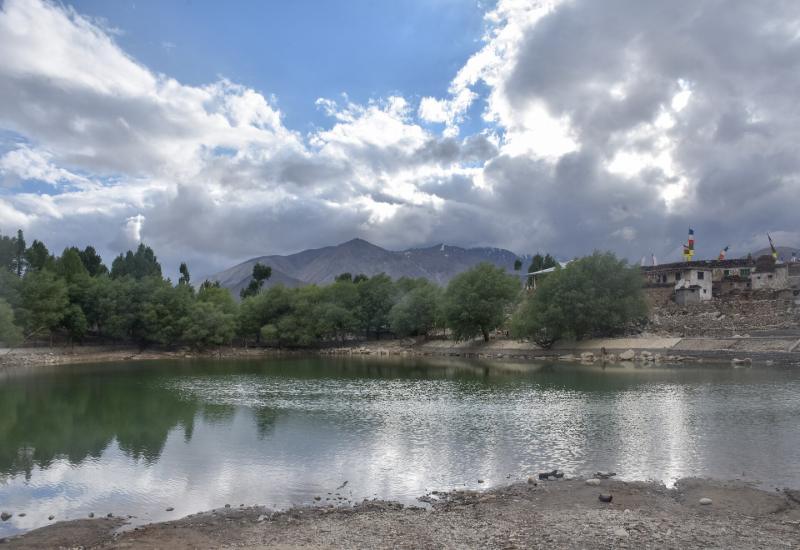
Nako lake, upper Kinnaur
Nako lake, upper Kinnaur — Photo: Timothy A. Gonsalves · CC BY-SA 4.0 · Wikimedia Commons
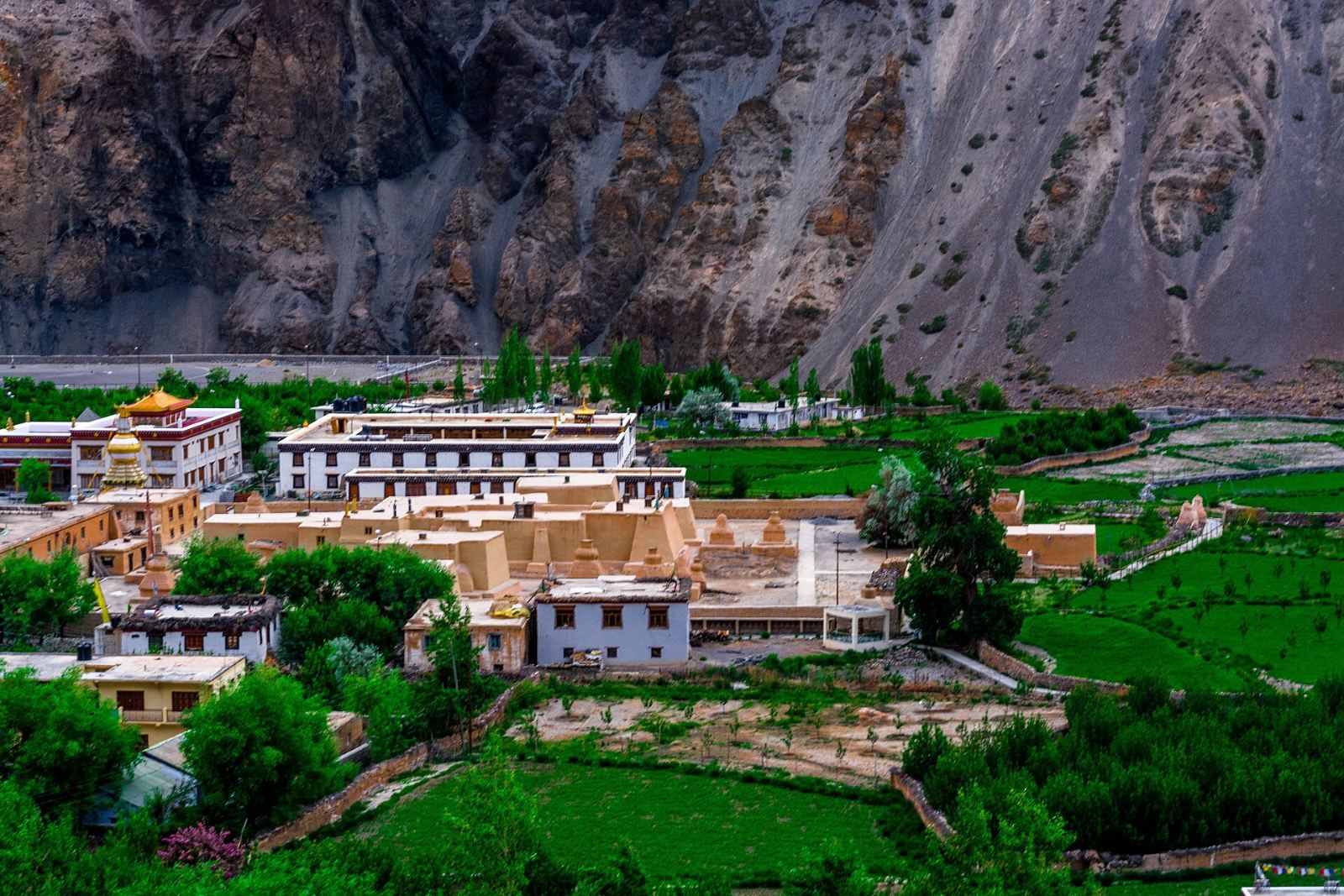
Tabo village and monastery from above
Tabo village and monastery from above — Photo: Trina Singha Roy · CC BY-SA 4.0 · Wikimedia Commons
  • Nako
  • Tabo

Crossing into Spiti by way of Nako and Tabo.

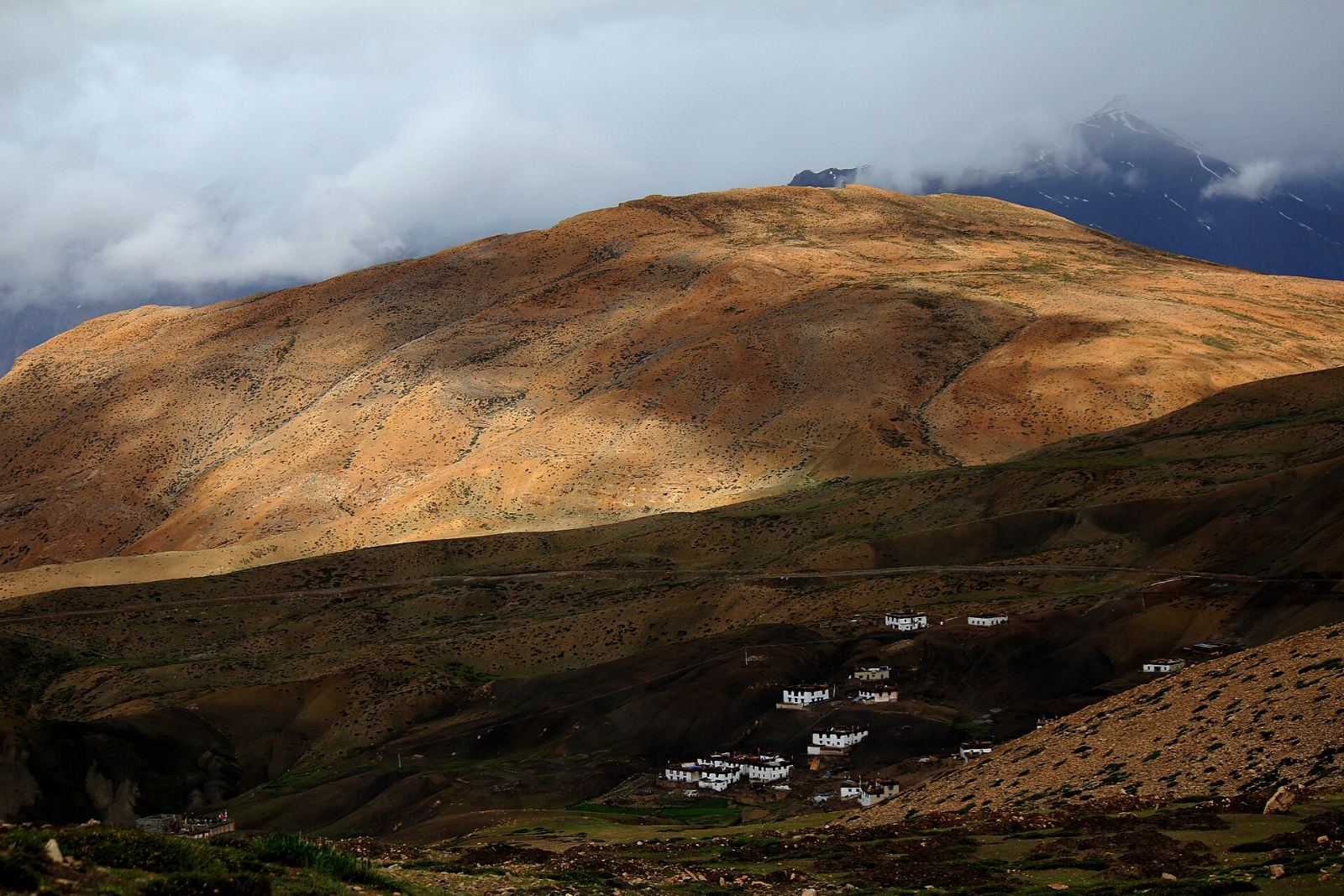
The longest change of scenery happens today. Beyond Kalpa the green of Kinnaur thins out and the landscape turns to bare rock, scree and sky — the beginning of the cold desert that defines Spiti.

The brochure describes stops related to Nako, a stone village beside a small high-altitude lake, and Tabo, whose monastery was founded in 996 CE and still holds centuries-old murals inside its mud-walled halls. By evening the road reaches Kaza, at about 3,800 metres, which will be home for three nights.

Key Monastery on its hill
Key Monastery on its hill — Photo: SilverBirch · CC BY-SA 3.0 · Wikimedia Commons

Kaza

Day 05Day

Kaza — Key Monastery and Chicham Bridge

  • Key Monastery
  • Chicham Bridge

A monastery on a cone of rock. A bridge over nothing.

The first full day in Spiti is spent exploring around Kaza. Key Monastery, the largest in the valley, is stacked up the sides of a conical hill above the Spiti river — a jumble of whitewashed rooms, steep stairways and prayer halls with the whole valley laid out below.

Further up the side valley, Chicham Bridge spans a deep, narrow gorge between the villages of Kibber and Chicham. It is often described as one of the highest bridges in Asia, and standing on it explains why people say so.

Kaza

Day 06Day

Kaza — Langza, Komik and Hikkim

Chau Chau Kang Nilda from Langza
Chau Chau Kang Nilda from Langza — Photo: Avantikac98 · CC BY-SA 4.0 · Wikimedia Commons
Hikkim village
Hikkim village — Photo: Sumita Roy Dutta · CC BY-SA 4.0 · Wikimedia Commons
  • Langza
  • Komik
  • Hikkim

The three highest villages of the journey.

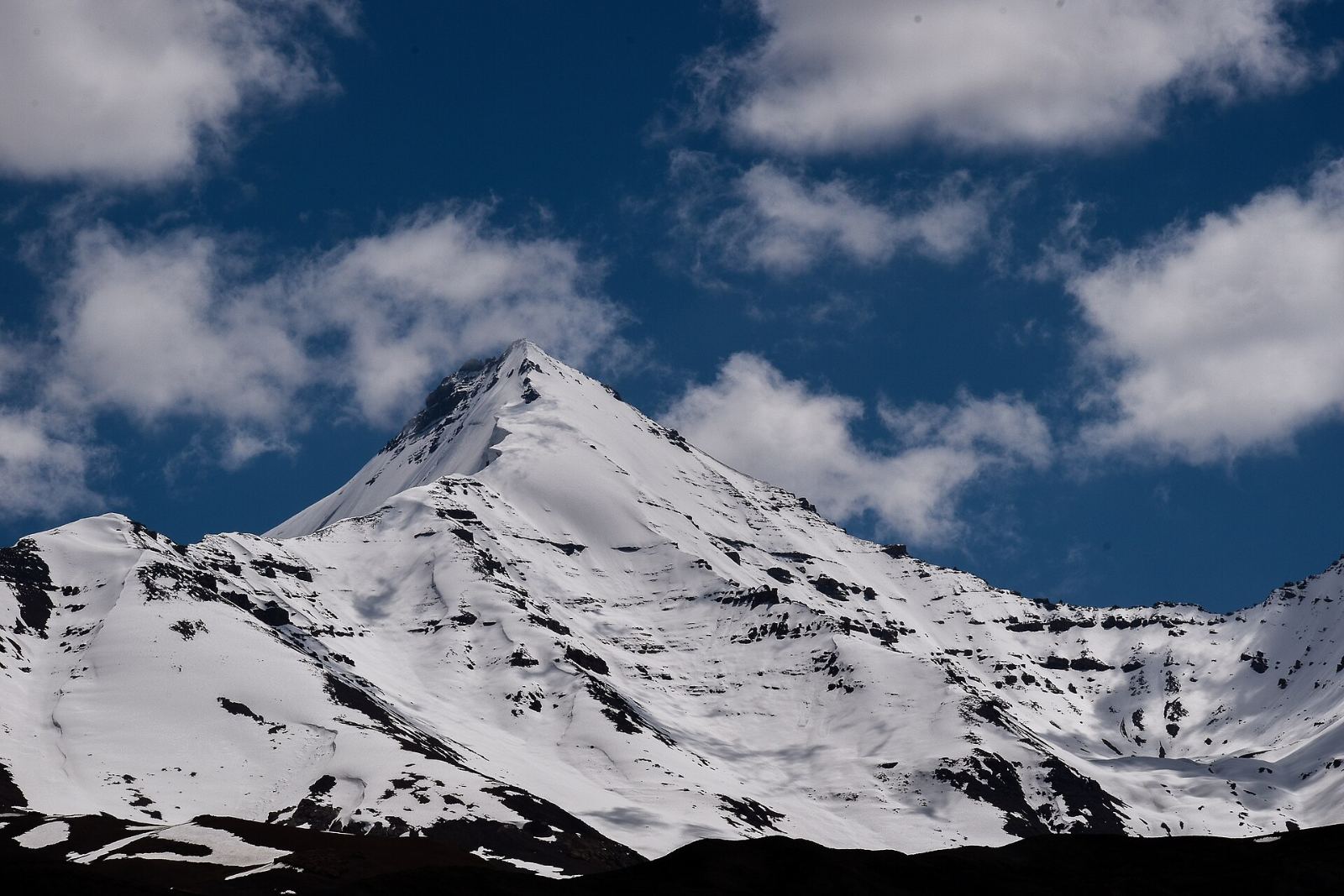
Day six climbs to the high villages above Kaza. Langza sits beneath the pyramid of Chau Chau Kang Nilda, watched over by a large Buddha statue that faces down the valley. Komik is one of the highest villages reachable by road anywhere, with a small monastery at its heart.

Hikkim is known for its post office — frequently called the highest in the world — where it is possible to send a postcard home from above 4,000 metres. In winter, how far up the road can go on the day depends entirely on snow.

Kaza → Rampur

Day 07Day

Kaza to Rampur — the long descent

The Sutlej at Karcham, Kinnaur
The Sutlej at Karcham, Kinnaur — Photo: Supriya Joon · CC BY-SA 4.0 · Wikimedia Commons
  • Back down the Spiti and Sutlej valleys
  • Rampur

The long descent, river by river.

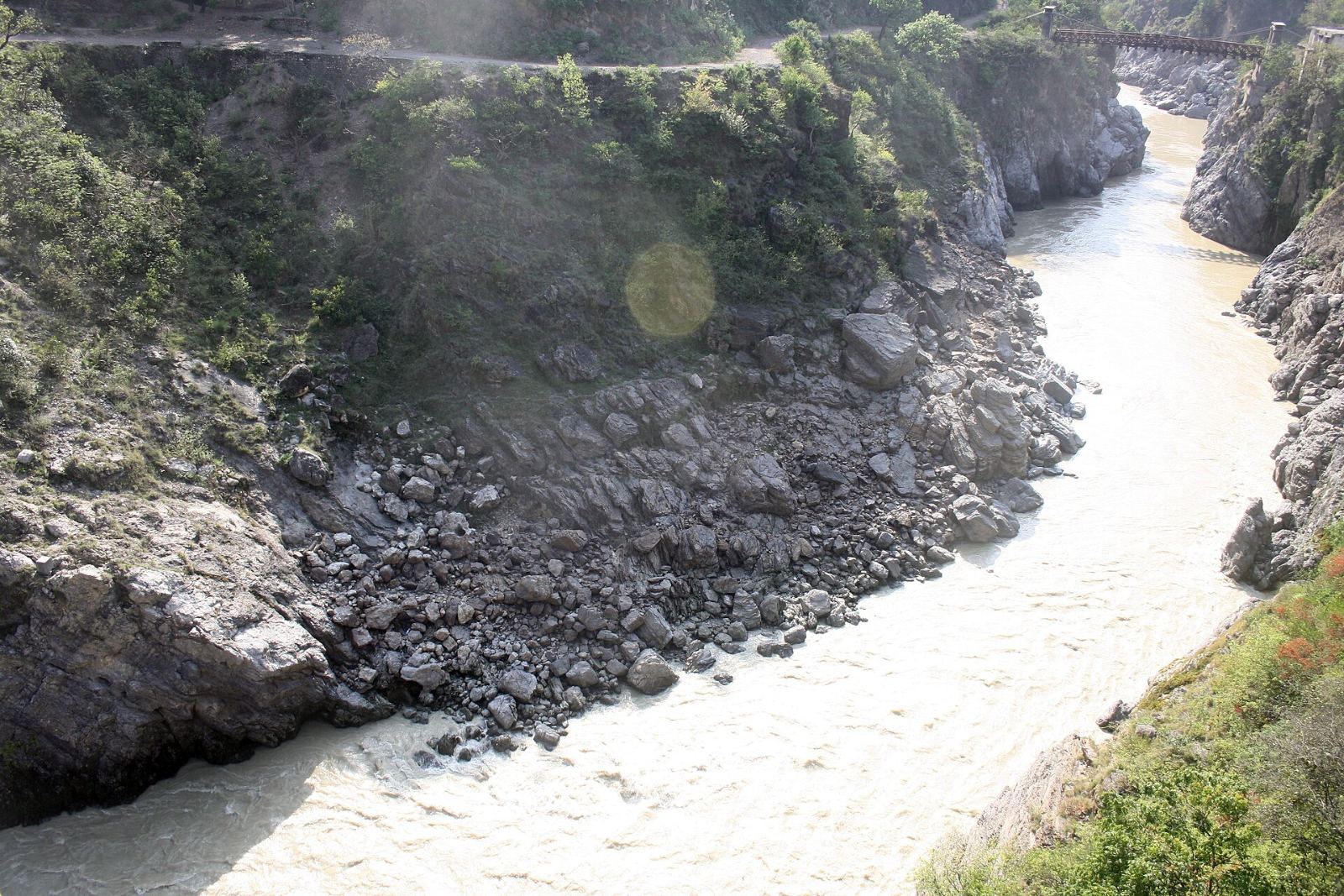
Leaving Kaza, the road retraces the Spiti river down to its confluence with the Sutlej and then follows the Sutlej back through Kinnaur. It is the longest drive of the journey, and the one where the landscape plays in reverse: desert, then forest, then warmth.

Rampur, at around 1,000 metres, is the old capital of the Bushahr state and sits right on the river. After nights at altitude, the air here feels almost tropical.

Sutlej gorge and rapids, lower valley
Sutlej gorge and rapids, lower valley — Photo: VasuVR · CC BY 4.0 · Wikimedia Commons

Rampur → Delhi

Day 08Day

Rampur to Delhi — the return

  • Return to Delhi

Back to the plains, with a different view.

The final day leaves the Sutlej behind and descends through the hills to Delhi. Arrival time depends on the road; please wait for the operator’s confirmation before booking any onward train or flight.

By the time the city reappears, it has been eight days. It will feel like considerably longer — which is the point.

Questions about a particular day?

Ask the team about road conditions, altitude or anything else before you commit. Enquiries are answered with confirmed details only.

WhatsApp us
Book · ₹1,60,000–₹2,30,000 pp