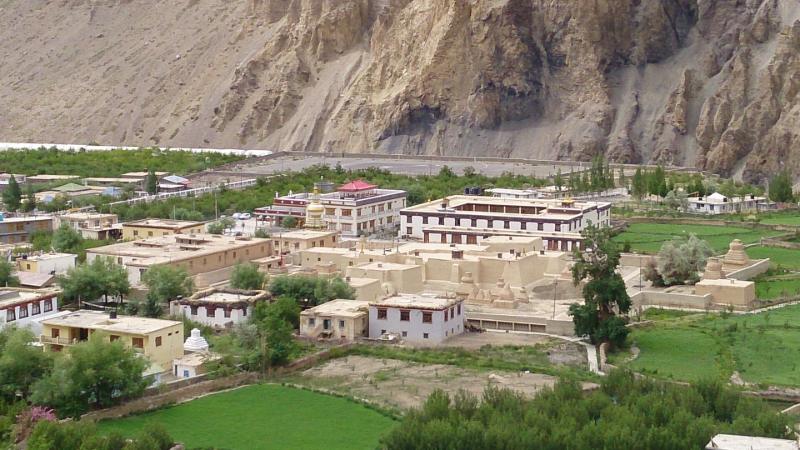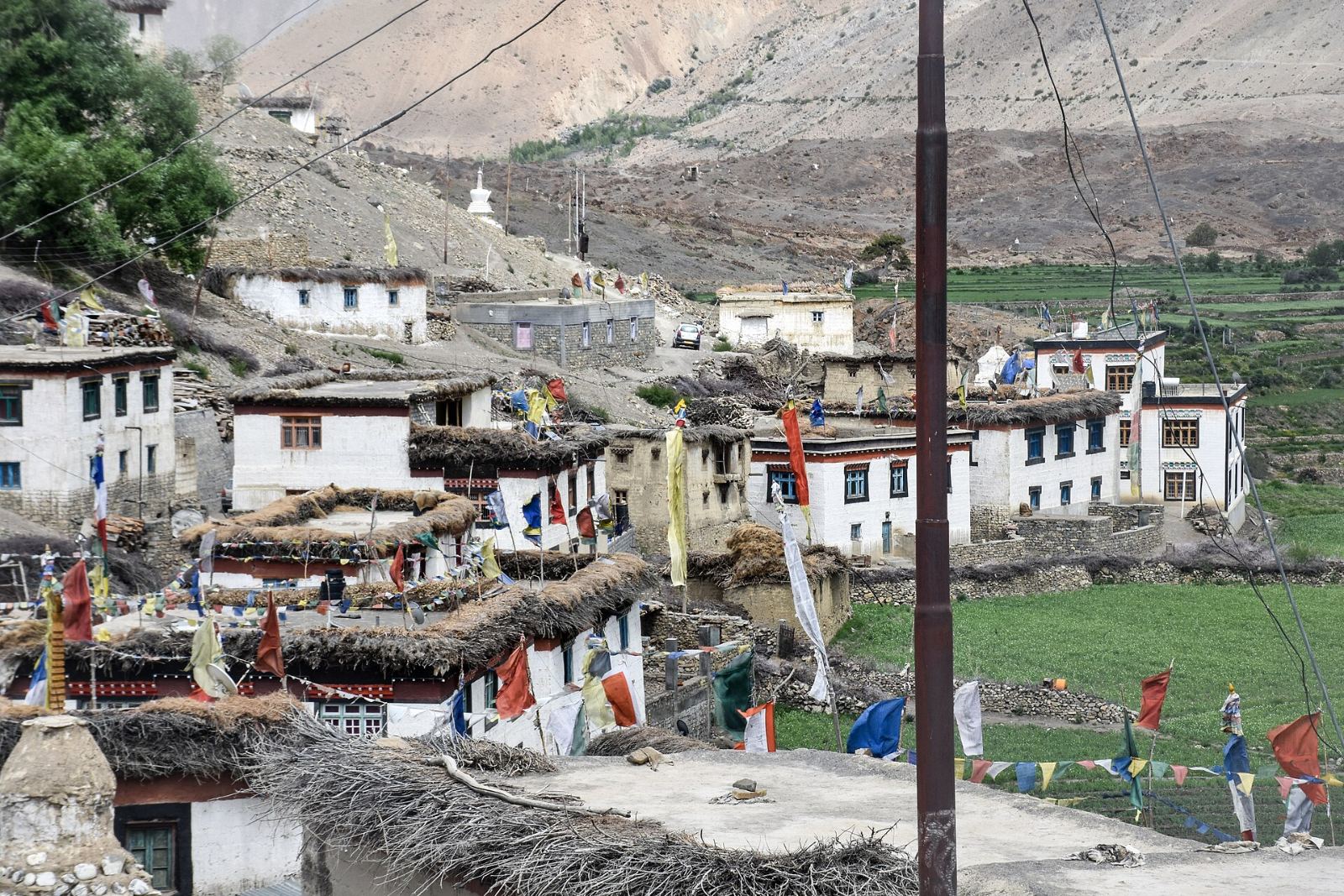
Mane village, Spiti valley
Mane village, Spiti valley — Photo: Timothy A. Gonsalves · CC BY-SA 4.0 · Wikimedia Commons
Home/Experience

Beyond the
landscape.

The mountains are the backdrop. The experience is the monasteries, the villages, the roads between them and the people you share them with.

What you do between the views

Four threads run through every day.

Monasteries, high villages, photography and the road itself. Below, each one is opened up in more detail — where it happens on the route and how to do it well.

Also on the journey

The New Year side of things.

  • Bonfire nights

    When the sun drops behind the ridges, the group gathers around a fire. Where and when depends on the stay and the weather.

  • Music and a special DJ

    A special DJ travels with the group. The name, set times and venue are announced by the team.

  • Snow days

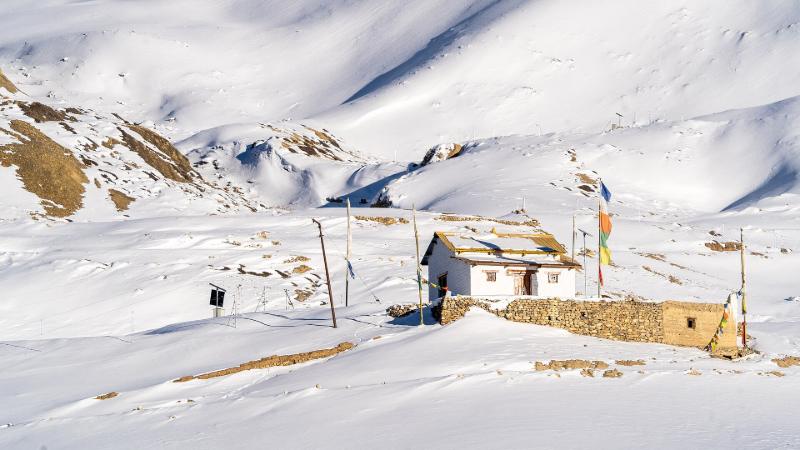
    Late December brings snow to Kufri, Kalpa and Spiti — beautiful, cold, and the reason plans stay flexible.

  • Group Hilux or self-drive

    Ride with the group or bring your own car; the team confirms seats and self-drive arrangements.

  • Prayer-flag country

    From Kinnaur onward, prayer flags mark passes, bridges and rooftops — a constant companion on the road.

  • Real cold

    Nights in Spiti are far below freezing. Warm layers turn that from a hardship into part of the story.

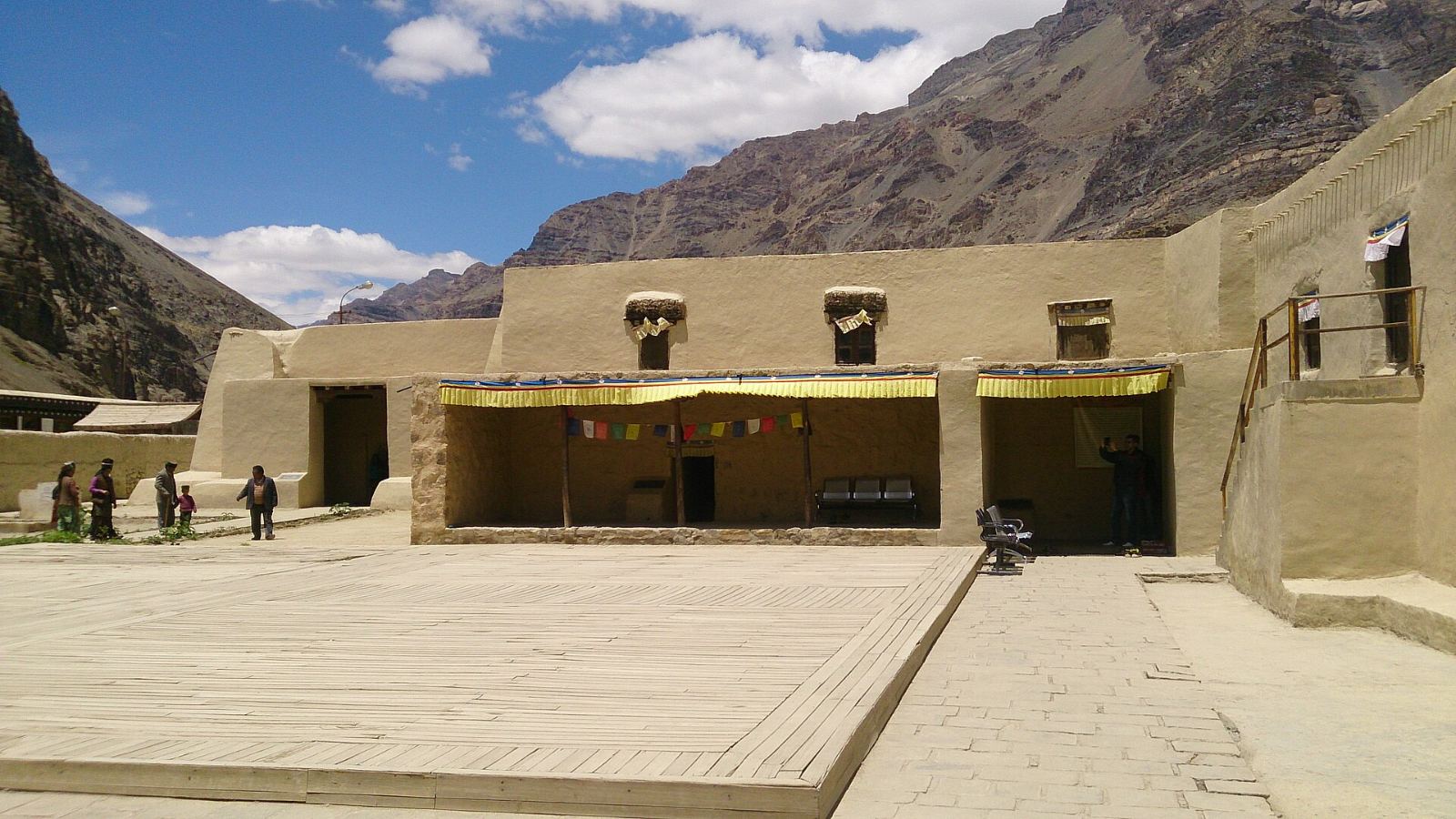
Inside the Tabo Monastery complex
Inside the Tabo Monastery complex — Photo: Manish Pathak · CC BY-SA 4.0 · Wikimedia Commons

01 · Days 4–6

Monasteries, old and alive

Tabo was founded in 996 CE; Key is the largest monastery in Spiti; smaller gompas sit in almost every village. These are working religious communities, not museums. Visiting them means quiet voices, modest clothes, walking clockwise and asking before photographing people or prayer-hall interiors.

Stone houses of Nako village
Stone houses of Nako village — Photo: Sumita Roy Dutta · CC BY-SA 4.0 · Wikimedia Commons

02 · Days 4 & 6

Stone villages

Nako’s lanes of stone and timber houses, Kibber’s whitewashed terraces near Kaza, the flat-roofed farmhouses of Langza: high Himalayan architecture built to hold heat in a place where winters are long. In the off-season, villages are quiet and daily life carries on around visitors.

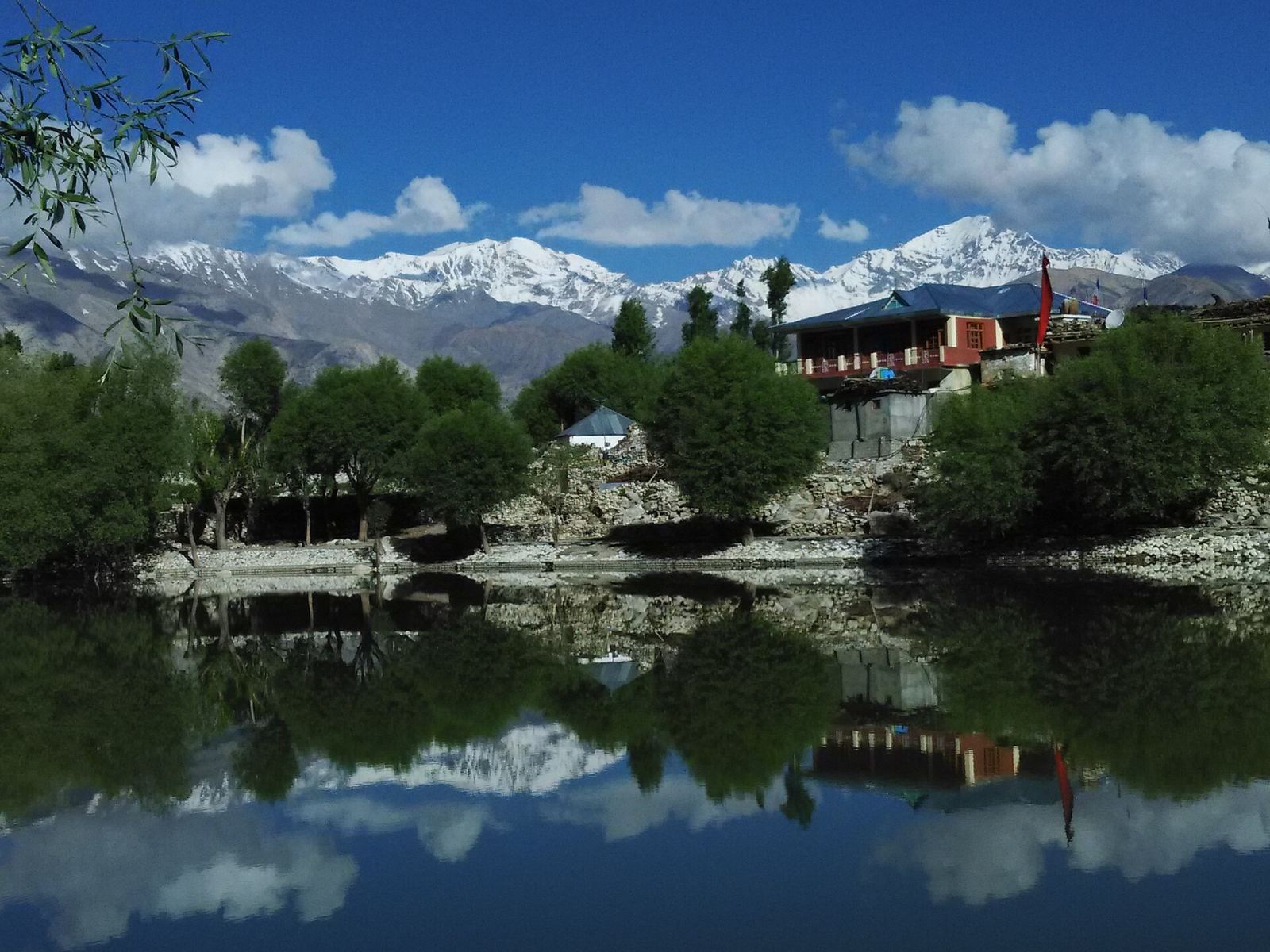
Peaks reflected in Nako lake
Peaks reflected in Nako lake — Photo: Sumita Roy Dutta · CC BY-SA 4.0 · Wikimedia Commons

03 · Throughout

Photography in thin air

High altitude and dry air give hard, clear light and deep blue skies. Sunrise in Kalpa, reflections at Nako, the bridge at Chicham and the night sky over Spiti are the moments photographers plan around. Batteries drain fast in the cold — bring spares and keep them warm.

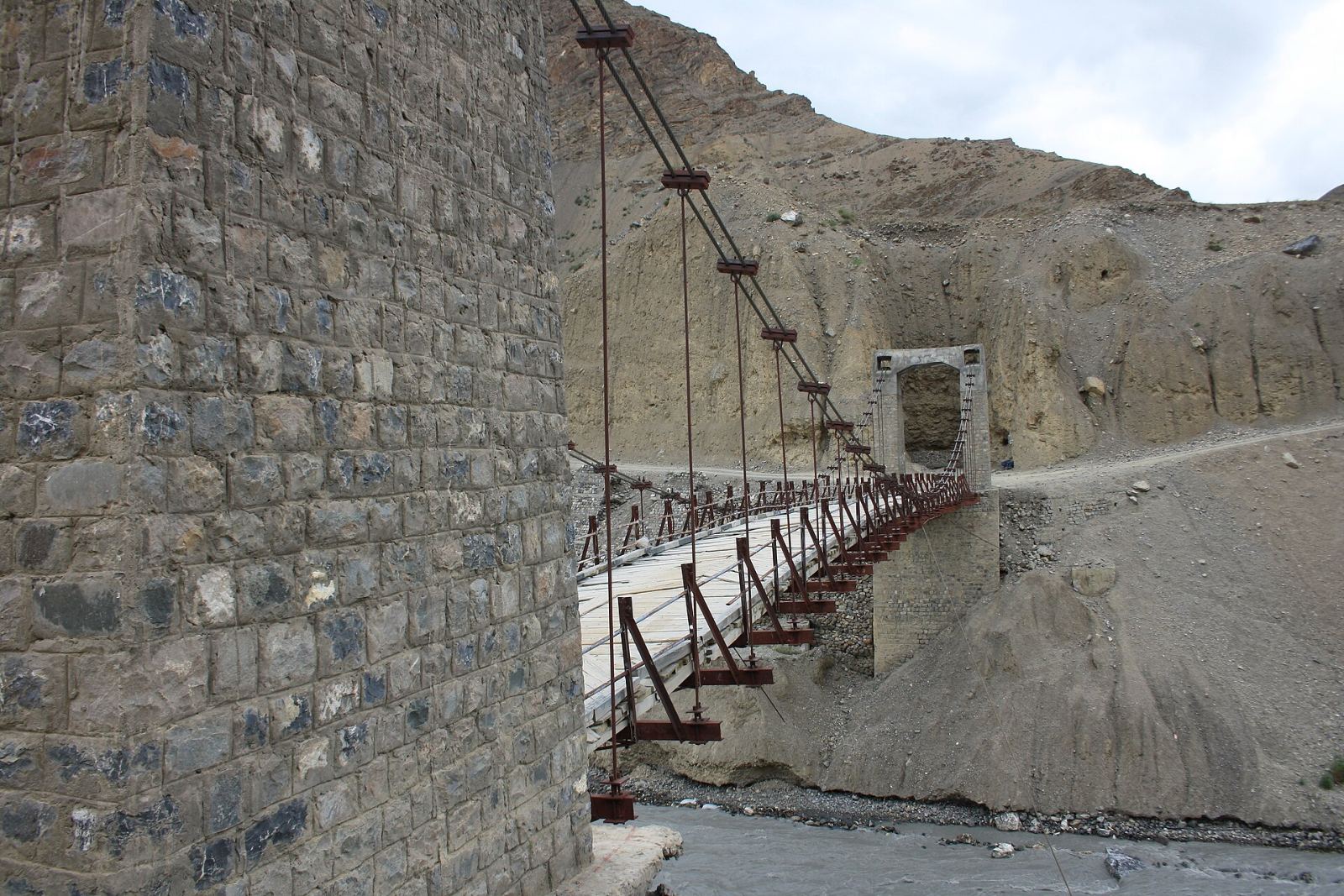
Suspension bridge over the Lingti river, Spiti
Suspension bridge over the Lingti river, Spiti — Photo: Mike Shaw · CC BY-SA 4.0 · Wikimedia Commons

04 · Every day

The road as the experience

Long road days are part of the design, not a gap between highlights. The Hindustan–Tibet road along the Sutlej, the cliff sections of Kinnaur, river crossings in Spiti and the slow descent to Rampur are where a lot of the trip’s best conversations happen.

Hillside shrines and prayer flags, Kaza
Hillside shrines and prayer flags, Kaza — Photo: Gerd Eichmann · CC BY-SA 4.0 · Wikimedia Commons

05 · Days 5–6

Local exploration around Kaza

Two days based in Kaza make room for slower exploring: the old town and its mani walls, the Sakya monastery, and short walks when the weather and the group’s energy allow. Any specific walks will be confirmed by the operator.

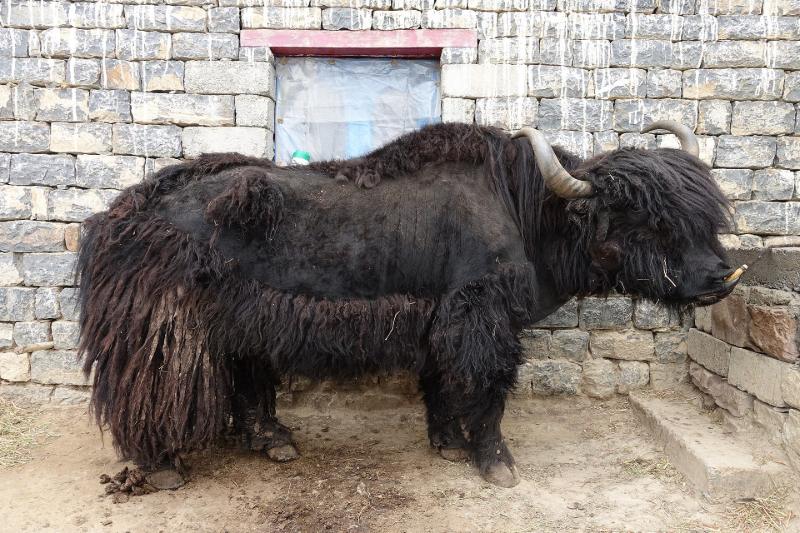
A domestic yak, Pin valley
A domestic yak, Pin valley. The Pin valley branches off near Kaza; not a confirmed stop. — Photo: Marsmux · CC BY-SA 4.0 · Wikimedia Commons

06 · Days 4–7

Life in a cold desert

Yaks, dzos and sheep, stacks of firewood and dried dung for winter fuel, fields lying fallow under snow. Spiti in deep winter shows how people live through the hardest season — a perspective most visitors never see.

Etiquette

How to be a good guest in Spiti.

  1. Walk clockwise around stupas, mani walls and prayer wheels.
  2. Ask before photographing people, and before taking pictures inside prayer halls.
  3. Dress modestly at monasteries; remove shoes where asked.
  4. Carry rubbish back out — waste disposal in high valleys is genuinely difficult.
  5. Water is precious in a cold desert, especially in winter. Use it carefully.
Prayer flags against the Spiti sky
Prayer flags against the Spiti sky — Photo: Kandukuru Nagarjun · CC BY 2.0 · Wikimedia Commons
The mud-walled halls of Tabo
The mud-walled halls of Tabo — Photo: Mdipa · CC BY-SA 4.0 · Wikimedia Commons
Tabo Monastery from the hillside
Tabo Monastery from the hillside — Photo: Manish Pathak · CC BY-SA 4.0 · Wikimedia Commons

Tabo · Day 4

Mud walls, a thousand years old.

From outside, Tabo’s oldest halls look like plain earthen buildings. Inside, they hold paintings and sculptures that have survived for centuries in the dry mountain air. It is one of the quietest, most affecting places on the route.

See where each experience falls.

WhatsApp us
Book · ₹1,60,000–₹2,30,000 pp